
Marsovin opens €5.8m Marnisi Wine Estate blending agri-tourism in south Malta
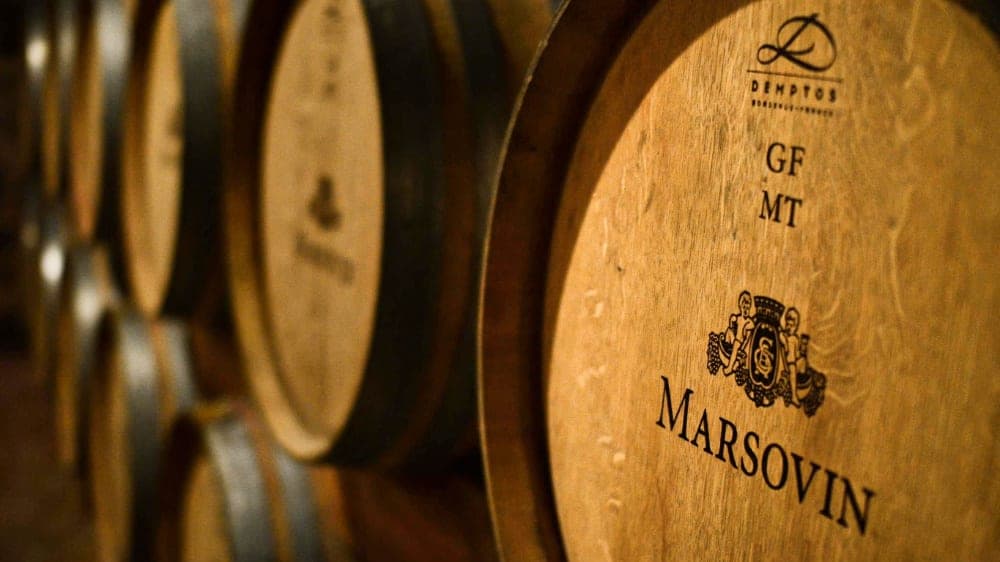
Marsovin inaugurated its Marnisi Wine Estate with a €5.8m investment, supported by €2.7m in EU funds, combining organic winemaking with tourism.
Marsovin’s Marnisi Wine Estate opened on Thursday, with Prime Minister Robert Abela framing it as proof that agriculture can stay central to Malta’s economy even as farmland faces mounting pressure.
The winery, whose land was acquired in 1992 and planted two years later, required an investment of more than €5.8 million. EU and national funding covered €2.7 million of that total.
Abela cut the ribbon and Archbishop Charles Scicluna blessed the facility. The Prime Minister said the project represents a vision built over three decades, requiring commitment, time, knowledge and willingness to invest in something whose full potential emerges only years later.
That kind of long-term thinking, he added, is exactly what the Maltese economy needs.
The estate combines organic grape cultivation, tree planting, modern automation and gravity-assisted winemaking inside a structure built from natural Maltese stone and timber.
Marsovin now moves into the next phase: producing, maturing and presenting premium Maltese wine. CEO Jeremy Cassar said the estate aims to show what Malta can achieve through agriculture and craftsmanship, offering visitors a chance to taste wines in the very landscape where the grapes grow.
The company expects the winery to lift the tourism offering in the south of Malta, centring on wine, food, architecture and the surrounding scenery. For investors and developers watching the agri-tourism segment, the project signals the potential returns available when EU co-funding offsets the risk of long-term land investment.
The question left open is how many similar projects can replicate this model, given the scarcity of agricultural land and the capital required to build a destination-grade attraction outside the traditional tourism zones.